
Coconut Palm Sugar
The Truth About Coconut Palm Sugar: The Other Side of the Story!
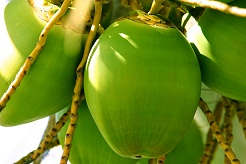
Coconuts like these are sacrificed when the
sap from the tree is removed.
|
Do you love coconut oil? Then you should definitely be avoiding coconut palm sugar! Coconut palm sugar is the latest coconut product to gain popularity, and its place in the market is expanding rapidly. And for good reason! Coconut palm sugar is being advertised as a healthy sugar; low in the glycemic index and full of vitamins, minerals, and amino acids. It apparently tastes great as well! This new success for palm sugar is yielding a high profit for both coconut farmers and retailers in the U.S., as “healthier sugars” are among the new high-demand “health” foods. We are seeing story after story in the Philippines of how coconut farmers are converting their coconut trees into coconut sugar production, collecting the sap from the tree to make this hot new commodity. The process is very simple, allowing anyone with coconut palm trees on their land to easily convert their coconut palms into an instant cash crop that reaps great financial benefits. And as retailers in the U.S. and elsewhere also cash in on this new demand, sadly, the other side of the story is not being told. What no one is warning consumers about is that coconut palm trees are meant to produce coconuts, not sugar! When the sap used to make coconut palm sugar is collected from the coconut palm tree, from the flower bud that will eventually form a coconut, that tree can no longer produce coconuts! Think about that for a minute. No coconuts = no coconut oil, no dried coconut, no coconut flour. Is coconut sugar worth giving up these other valued products that come from the coconut?? The price of coconuts at present is at an all time high in the Philippines, and we are seeing shortages worldwide in all the coconut producing countries. Before the coconut palm sugar market craze, there were already coconut palm trees dedicated to the production of “tuba,” the toddy that comes from the sap of the flowering bud of the coconut palm tree. This tuba is used to make coconut vinegar, but mostly it is used for lambanong, an alcoholic beverage best described as “coconut vodka.” This is an established market in the Philippines, and you can be sure that for the most part, these coconut palm trees that have been used to produce coconut vodka are not just all of a sudden being converted to coconut sugar production! No, coconut palms that were formerly producing coconuts that were used in the production of coconut oil or desiccated coconut are now being converted to coconut sugar production, because a farmer can make more money from the simple coconut sugar production than they can from selling the coconuts to wholesale coconut commodity brokers. As it stands now, coconut palm sugar is not a sustainable industry. High consumer demand for coconut palm sugar is competing with increased demand for coconut oil and other coconut products. There are also no standards for coconut palm sugar production, and many of the nutrient claims are unfounded, as the quality of the coconut palm sugar will vary greatly depending on the type of tree the sap is collected from, the age of the tree, the time of year (rainy season or dry season), etc. So the next time you think about purchasing some coconut palm sugar, you need to ask yourself, “Do I need this more than I need coconut oil, dried coconut, or coconut flour? Am I willing to pay a higher price for coconut oil and other coconut products so that more trees can be sacrificed for coconut palm sugar production, or at some point even go without these products just so I can have coconut palm sugar?” The Philippine Coconut Authority in the Philippines is wisely recommending people to plant coconut trees especially for coconut sugar production, particularly the “dwarf” breeds that are shorter and can grow faster (average of 5 years instead of 10 years.) But as long as consumers continue to demand coconut palm sugar at the present time, you can be sure that growers and harvesters in the Philippines will not wait many years to allow the supply to catch up when they can make a greater profit now. If current trends continue, coconuts will soon be so scarce and the price of coconut oil will be so high that only the rich and famous will be able to afford it. There is a reason why the coconut sugar is so nutritious. It feeds the coconut flower that grows into a wonderful coconut, from which we get such healthy products like coconut oil! Coconut oil is unique in nature because of its fatty acid structure. Only human breast milk contains similar amounts of medium chain fatty acids. Healthy sugars, on the other hand, abound in nature. Honey is among the healthiest, and honey production is much more sustainable than coconut palm sugar. The Philippines and other tropical areas are rich with native flowering tropical plants that could be utilized for wonderful tropical honeys. So please, let’s NOT sacrifice our coconut oil for coconut palm sugar!
|

3 responses so far ↓
1 bitt // Jan 7, 2011 at 4:00 PM
2 Brian & Marianita Shilhavy // Jan 7, 2011 at 4:13 PM
3 Vida Turok // Jan 7, 2011 at 5:15 PM
Leave a Comment